

Coconut Mango Mochi (Chi Chi Dango)

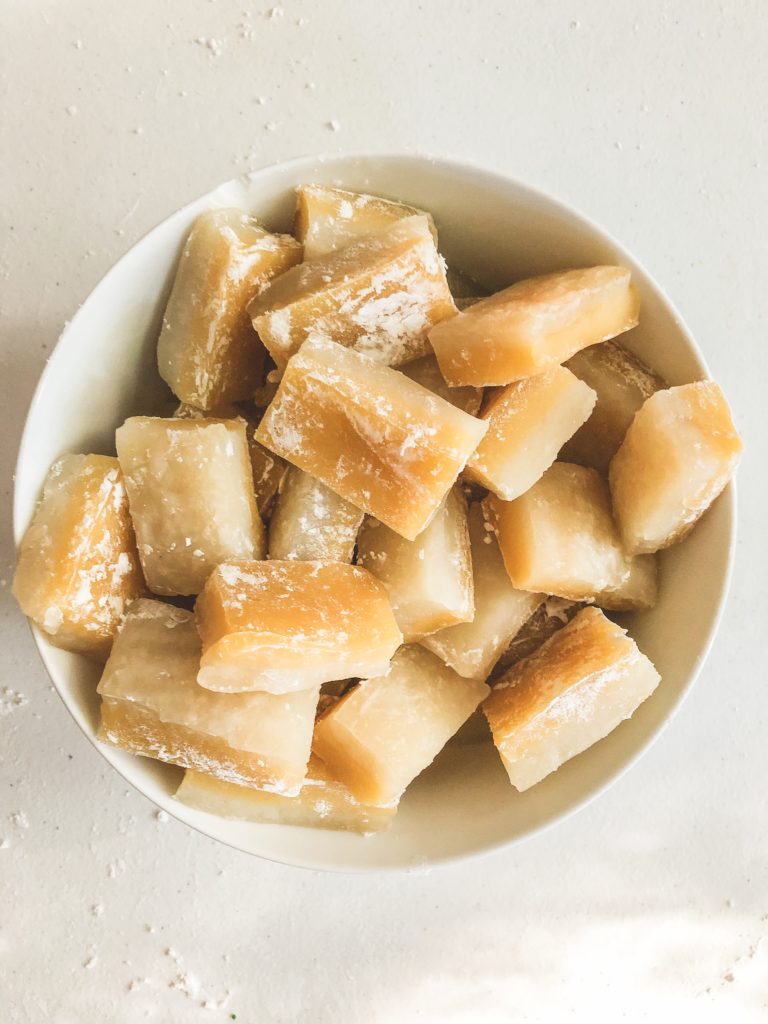
This coconut mango mochi is actually a form of chi chi dango, a Hawaiian influenced mochi. Bake this two-layer mochi easily in the oven! Disclaimer: This post may contain affiliate links.
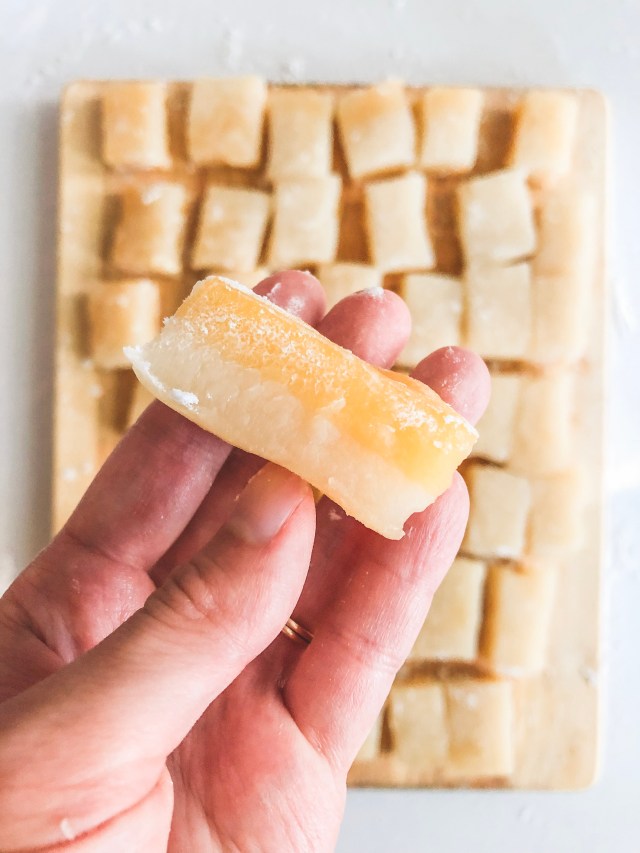
Hey there! I’m back with another mochi recipe! After the success of my coconut rose chi chi dango recipe (it’s consistently one of my most popular and most pinned posts), I decided to try mixing up the flavors a bit. Thus, I present you with coconut mango chi chi dango (aka Hawaiian-ish mochi)! Like the rose mochi, this coconut mango mochi is vegan and gluten free. Plus, there’s no artificial flavoring or coloring in the mango mochi.
What is Chi Chi Dango?
I talked about this initially in my coconut rose chi chi dango post, but chi chi dango refers to a mochi dessert that’s commonly found in Hawaii. Originally from Hiroshima, chi chi dango is not well known in Japan. The Hiroshima version used cow’s milk, but when immigrants to Hawaii brought over chi chi dango, they adapted to local ingredients and began using coconut milk instead. So the Hawaii chi chi dango is made with mochiko, aka glutinous rice flour, sugar, and coconut milk with a little water to form a sweet rice cake. If you’ve ever made microwave mochi, you’ve made chi chi dango. I’ve been trying to stay away from using too much plastic in the microwave, so I make my mochi in the oven instead.
How to Make Mochi With Layered Colors and Flavors
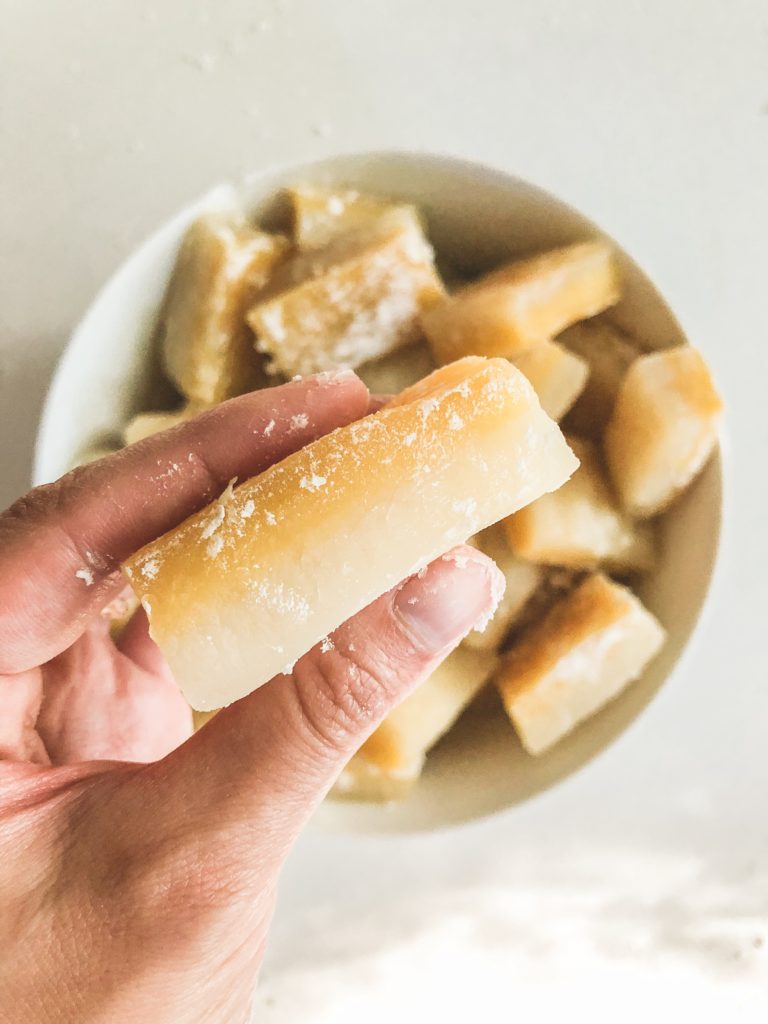
This coconut mango mochi LOOKS kind of fancy because of the nice orange and white stripe. However, it’s actually quite easy. Essentially, you pour one flavor of batter in a pan and bake until it’s just set. Then, you pour the other flavor on top and finish baking. If it’s your first time making mochi, I recommend checking out the coconut rose chi chi dango post first to get some tips on technique. And if you’re still confused about the terminology, feel free to check out my Ultimate Guide to Mochi.
Tips for Baking Mochi in the Oven
- Grease your baking pan well. I use a glass Pyrex, and I’ve never had trouble with it sticking, as long as I don’t overbake it! If you’re not sure, you can always line your pan with parchment paper.
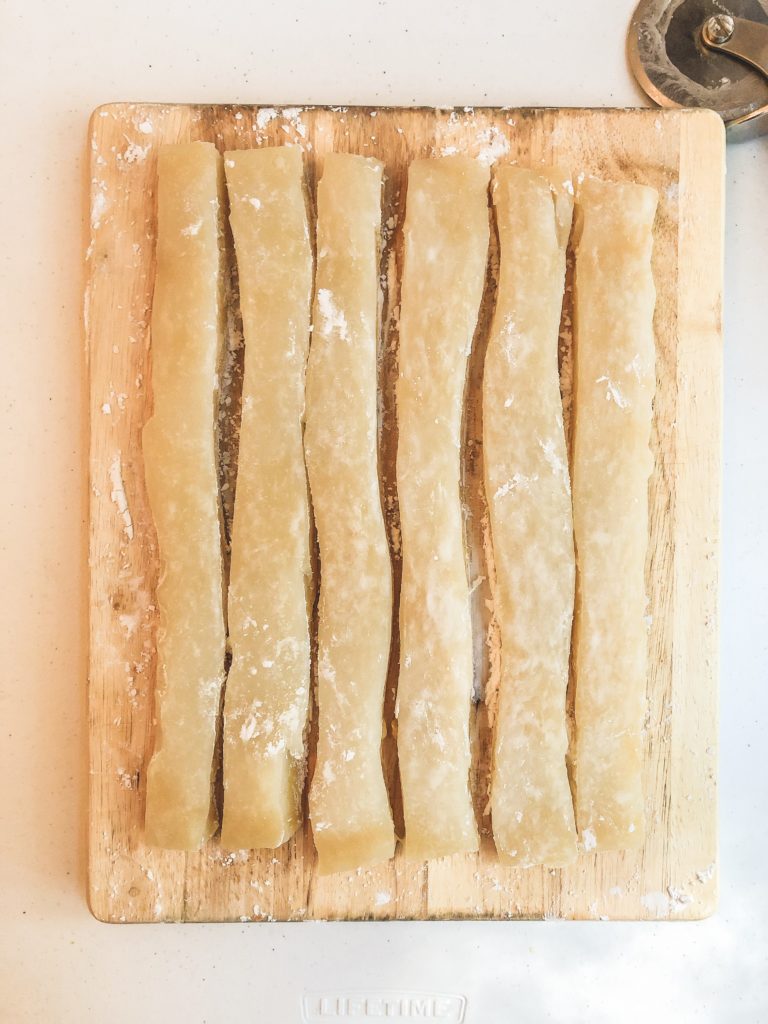
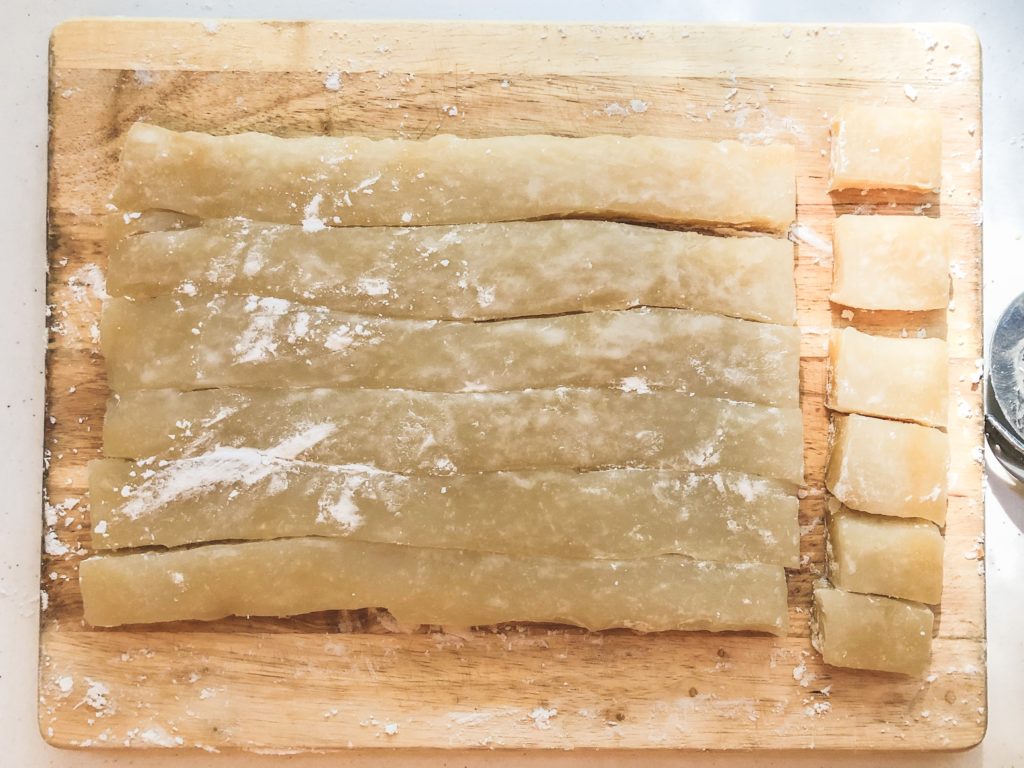
- Use a plastic knife or pizza cutter to slice your mochi. Again, it prevents sticking.
- Don’t forget to cover tightly with foil for the last bake! Otherwise the steam will escape and mochi will dry out.
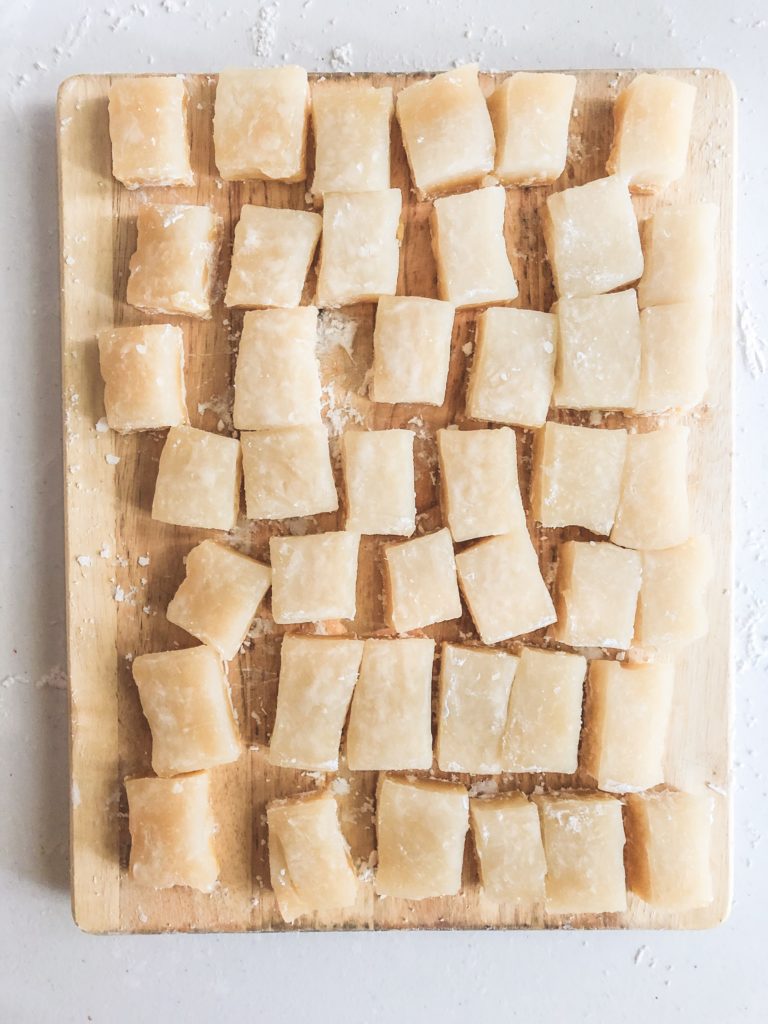
- Dust your mochi with katakuriko (potato starch) at the end so the pieces don’t stick together. Cornstarch can be used as a substitute, but I prefer the taste and texture of potato starch.
More Mochi Recipes
Looking for more mochi recipes? Check out these ideas:
- Easy Homemade Mochi (Chi Chi Dango)
- Girls’ Day Chi Chi Dango
- Ichigo Daifuku (Strawberry Stuffed Mochi)
- Classic Hawaii Style Butter Mochi
- Mochi Brownies
Coconut Mango Chi Chi Dango Mochi
Ingredients
- 1 16 oz box mochiko (approx 3 cups)
- 2 cups sugar
- 1 14 oz can coconut milk
- 1.5 cups mango juice
- 1 tbsp coconut extract
- katakuriko (potato starch) for dusting
Instructions
- Preheat oven to 350 degrees F and grease a 9×13 baking dish really well. Mochi will stick to any ungreased spots.
- Mix half the box of mochiko (approximately 1.5 cups) and 1 cup of the sugar.
- Add the coconut milk and coconut extract and mix until well combined.
- Pour this batter into the greased pan and bake uncovered for 15 minutes, or until the top layer of mochi is set.
- While the coconut layer is baking, mix the rest of the mochiko and sugar together. You can use the same bowl you had the coconut mochi batter in.
- Add the mango juice and stir until well combined.
- When the coconut layer is set, pour the mango mochi batter on top and very gently smooth out with a spoon or spatula.
- Cover tightly with aluminum foil (I recommend spraying the foil with nonstick spray as well) and bake for another 45 minutes. You'll know the mochi is done when the mango layer turns from an opaque light orange color to a darker, more translucent orange.
- Let cool completely.
- Turn out mochi onto a surface dusted with katakuriko. Slice into rectangles using a pizza cutter (or knife dusted with katakuriko), tossing in katakuriko as you go along to keep the edges from sticking. Keep mochi in an air tight container at room temperature; it's best eaten within 3 days.
Notes
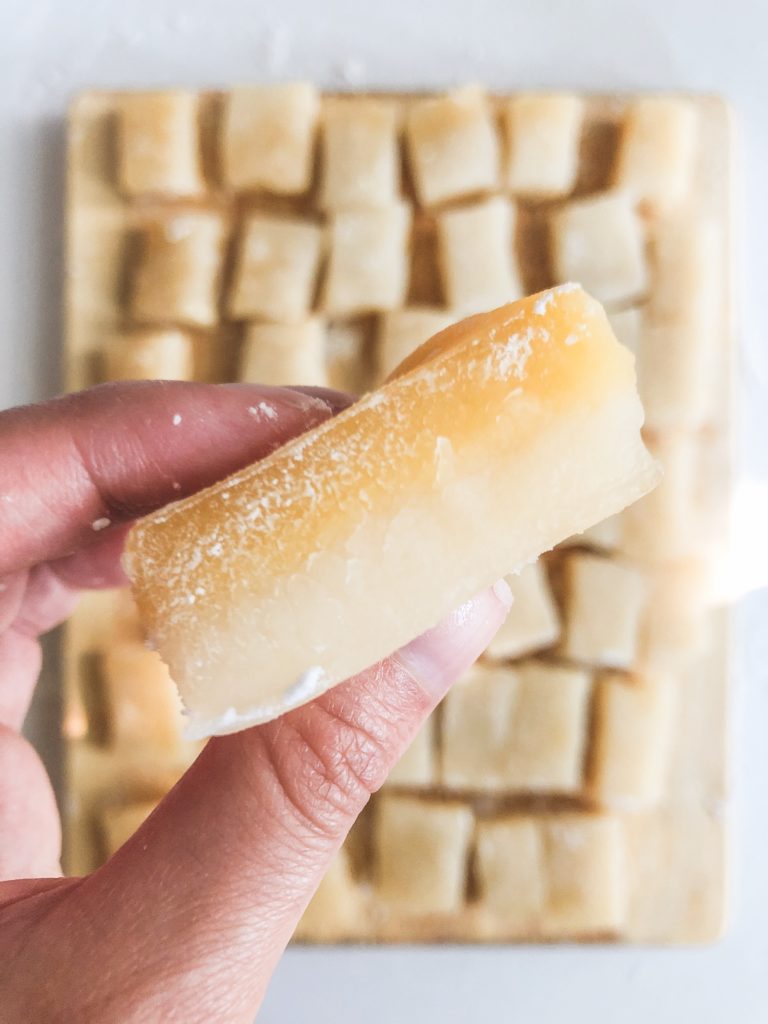
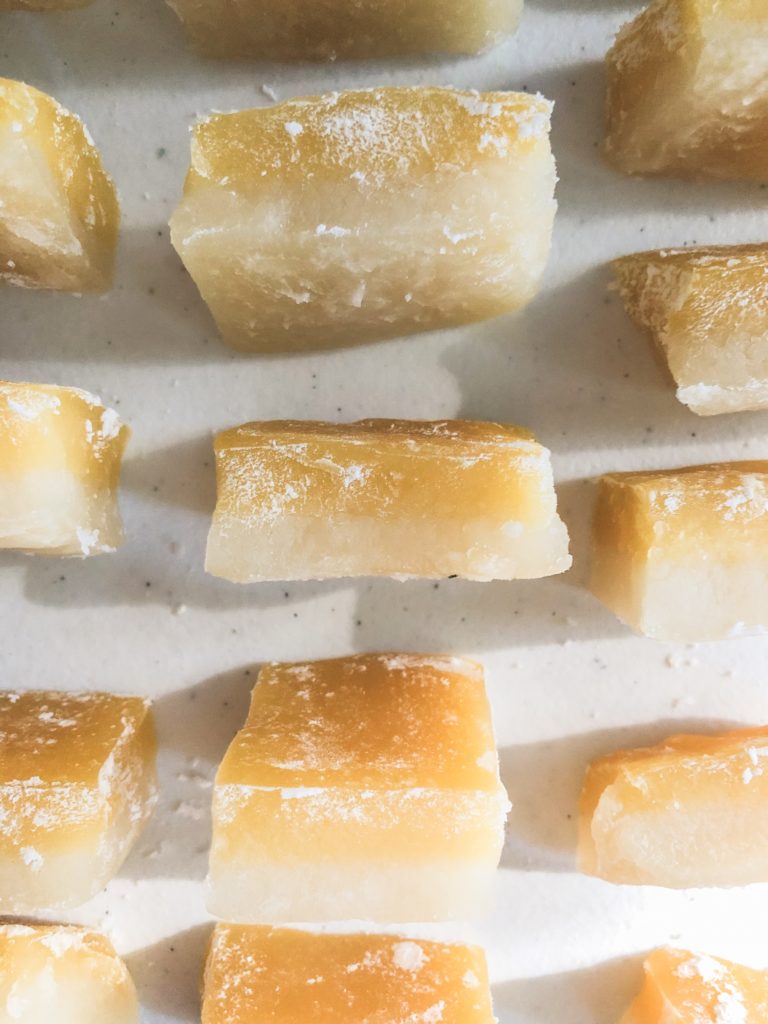
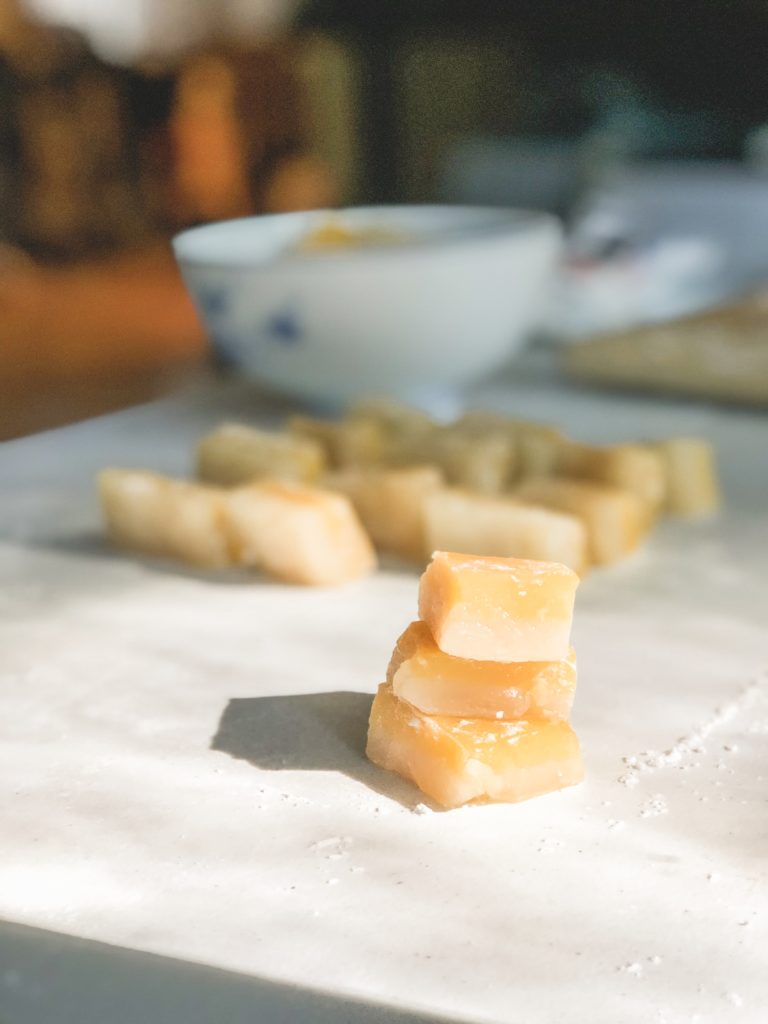
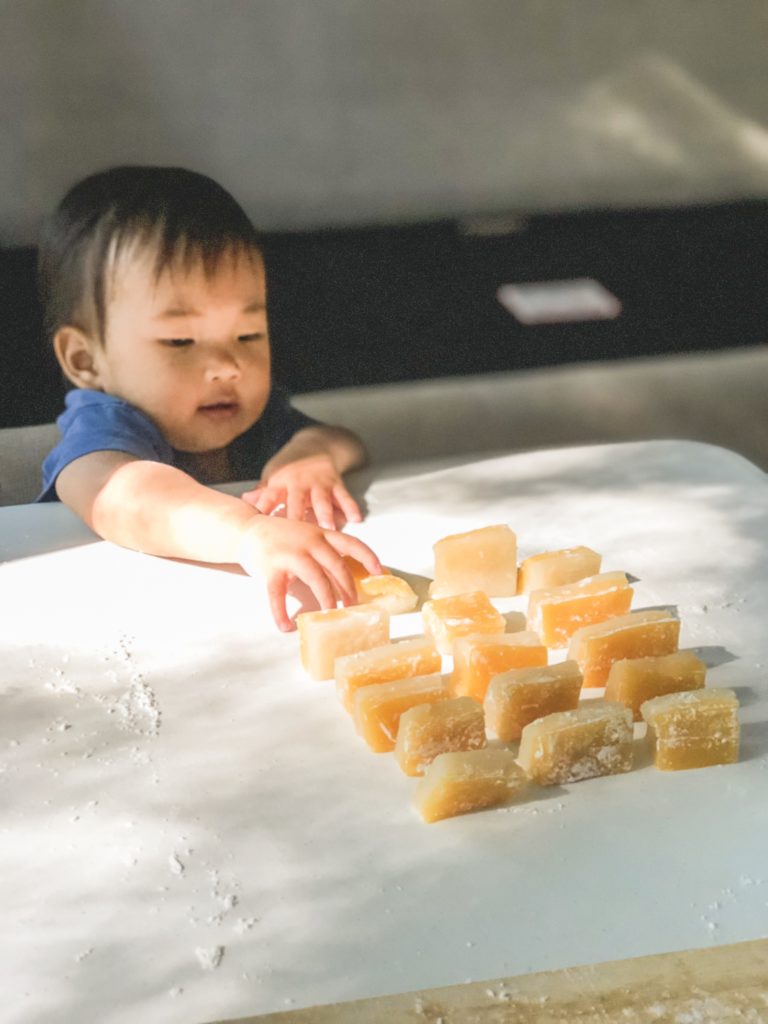
That’s it! I was really surprised at how strongly the mango flavor came through without any added extracts. Oh, and I included a little snapshot of a sneaky toddler getting into my food photo station. If you were wondering why I haven’t had a lot of baby cameos in my baking posts lately… now you know. 😛
Looks yummy!! I always wondered- after you take out from oven, do you leave the foil on, or take it off right away?
Hi Katie, you can take the foil off to let it cool down faster.
Easy to make and made me look like a hero! Nice job, thanks!
Thank YOU for the review! Glad it went well.
Pingback: Girls' Day Chi Chi Dango (Three Layer Mochi) - Mochi Mommy
Made this today but instead of mango juice I used Kerns Guava Nectar (what I had) and added few drops of red food dye. I moved to Denver from Los Angeles and have not yet found a place that sells mochi so I decided to make it myself. Your recipe was spot on and satisfied my mochi craving. Thank you!
This looks great! One question, do you use fresh mangos to get the juice?
If not, what brand/type of mango juice do you use?
I used mango juice bought from Trader Joe’s, but I think it’s seasonal. I haven’t tried other brands, sorry!
No worries! If I can’t get my hands on that, I’ll try some others. Thank you!
What would happen if I used coconut purée instead of juice?
Question! Can you just do the mango one alone? No coconut layer? Will it turn out the same?
Yes! You can do a double mango and bake it altogether at once, covered. It should take about one hour.
If we want just mango, do we adjust by substituting mango juice for coconut or just add another 1.5 cups of mango juice?
Thank you
(your ube mochi is amaaaazing!)
Hi! You can omit the coconut milk and extract and add another 1.5 cups mango juice. Total bake time will be around 45 mins to one hour, covered with foil. To be honest, I’ve never baked such a big batch of pure mango mochi before, so if something vastly different than expected happens, please let me know!
I love Mochi. However, trying to cut down on sugar intake. Have you tried lowering the amount of sugar in the recipe? Thanks
Hi Monica, sure! You can do as little sugar as you like. I haven’t tried it myself on this one, but I have other mochi recipes that use less sugar and they come out just fine.
Pingback: Easy Mochi Recipe (Chi Chi Dango) - Beginner Friendly! - Mochi Mommy
Been making this for years, this is a terrific recipe that covers all the bases! We just switch up the flavors from mango to guava or apricot. Thank you for a great recipe!
I’d like to try this recipe. How long (minutes) do you wait to add the mango layer?
Hi, if you read through the instructions, it lets you know how long to bake the first layer and then how long to bake the mango layer. Does that answer your question or did I misunderstand?