
Kuromitsu Recipe (Japanese Black Sugar Syrup)

Kuromitsu is a Japanese black sugar syrup used as a dessert topping. Although the name literally translates to black sugar in English, it is often also interchangeably called a brown sugar syrup. Made with kurozato (also called kokuto), this is the same brown sugar syrup that can be used with mochi, shave ice, ice cream, and boba! My kuromitsu recipe uses only three ingredients and takes five minutes to make.
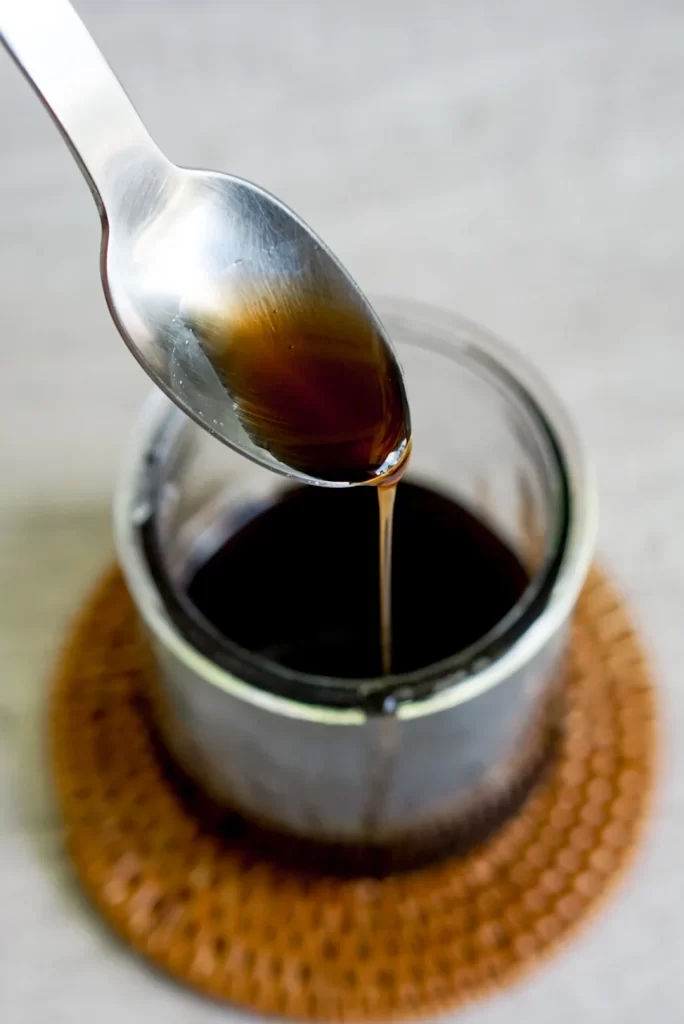
Friends, this recipe may change your life. It’s so simple and seemingly frivolous, but it is seriously so amazing. I first posted this recipe in 2022 to occasionally use with some of my desserts, but since then I have found a way to easily acquire real Okinawan black sugar. This means I can now make this easy recipe at a moment’s notice for everyday things like my milk tea or coffee. If you already have your black sugar supplier, feel free to jump on down to the recipe below. If you’d like to learn more about black sugar, kuromitsu, and uses for this recipe, scroll through the blog post. It sounds fancy and like it’ll take extra effort, but it really can be seamlessly incorporated into your everyday cooking.
What is Kuromitsu?
Kuromitsu is a Japanese sugar syrup made from a very dark brown sugar called kurozato or kokuto. Kurozato translates literally to “black sugar.” Thus, kuromitsu translates to “black honey” or black sugar syrup.
You can use kuromitsu as a topping for many Japanese desserts, including anmitsu and warabi mochi. I like to put it on shave ice and mochi waffles as well!
What is Black Sugar (Kurozato/Kokuto)?
Black sugar is an unrefined sugar, which means that the sugar still contains molasses. It’s made from boiling cane sugar. There are versions from Southern Japan, Okinawa, and also Taiwan!
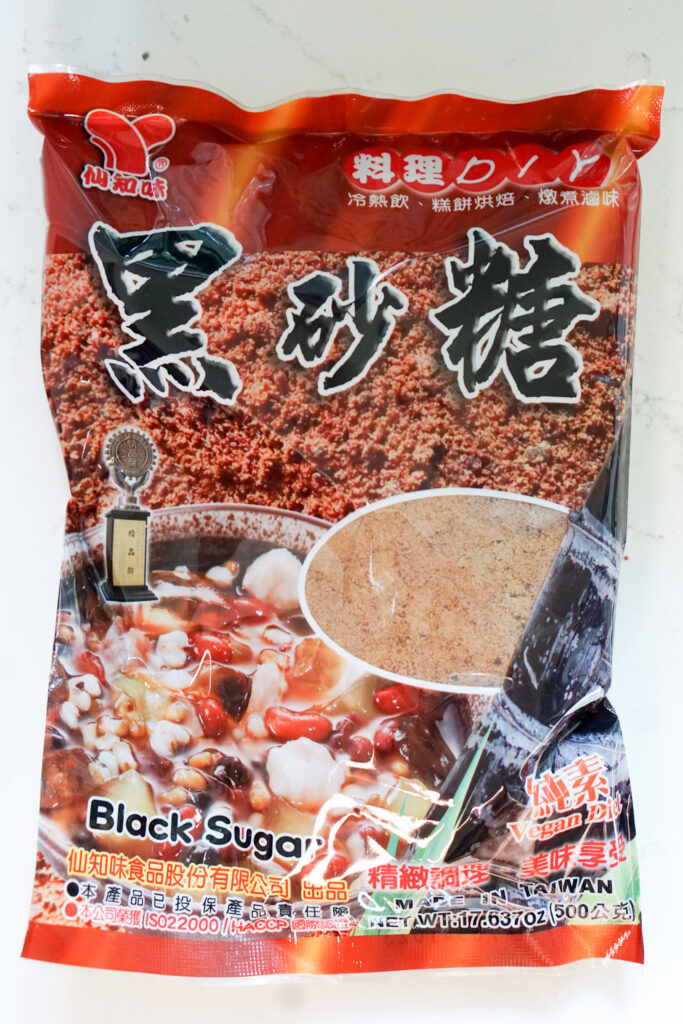
I actually learned a LOT about sugar while researching kuromitsu. Ready for the lowdown?
There’s essentially three times of sugars: unrefined, raw, and refined.
Raw is really a misnomer; it just means sugar that has only been minimally refined. Examples of raw sugars include muscovado, demerara, and turbinado. You can think of refining as being how much molasses gets taken out of the sugar crystal. So refined sugars, like the granulated white cane sugar you are probably familiar with, have all the molasses stripped out. Raw have only some. And unrefined sugars have all the molasses still in them.
Interestingly, I read that typical brown sugar like we use for baking is made from refined sugar that has some of the molasses put back IN.
So depending on what sugar you use, you’ll get a stronger or weaker molasses flavor.
What Sugars Do I Need to Make Kuromitsu? Can I Make Substitutions?
Most of the recipes online seem to suggest using a combination of black sugar and some sort of raw brown sugar (e.g. muscovado, turbinado, or demerara). Perhaps you don’t want a 100% molasses flavor in your syrup. After trying it out, my recipe also uses a combination of black sugar and raw. I use turbinado for my raw sugar, as I also use it to top muffins and other baked goods. Don’t we all hate having opened ingredients sitting in the kitchen unused?
I have seem some recipes suggest that you can substitute all brown sugar for black sugar, if you can’t find any. However, knowing now about the different types of sugars, I would highly recommend using at least a raw sugar; not a refined brown sugar. Muscovado has the most molasses of all the raw sugars, so I’d go with that. Otherwise, you’ll get a sweet syrup, but you’ll be missing that molasses flavor that really makes Japanese kuromitsu special.
Is Black Sugar the Same as Brown Sugar in Boba?
After I made this kuromitsu, I realized it tastes like the brown sugar syrup used in brown sugar boba, especially if you use the black sugar from Taiwan. Most of the recipes online that I see for brown sugar boba use a raw sugar like muscovado. But those recipes are all from America. I’m guessing that the “brown sugar boba” or “black sugar boba” I see advertised is supposed to be made from Taiwanese black sugar.
Where Can I Buy Kurozato/Kokuto?
Update: I previously had said in this post that it was tough to find affordable black sugar and recommended buying premade kuromitsu, BUT NO LONGER!
While I have been able to find Taiwanese black sugar in Chinese markets near me, for the first time, I am finally able to buy Okinawan black sugar on Amazon! The owner of the black sugar brand Chura Kokuto reached out to me to let me know that Okinawan black sugar from the Iriomote Islands is now sold via Amazon. I’ve tried it, and I am sooooo happy. They are a small business and Okinawan-owned, so I really encourage you to support their company and try their sugar.
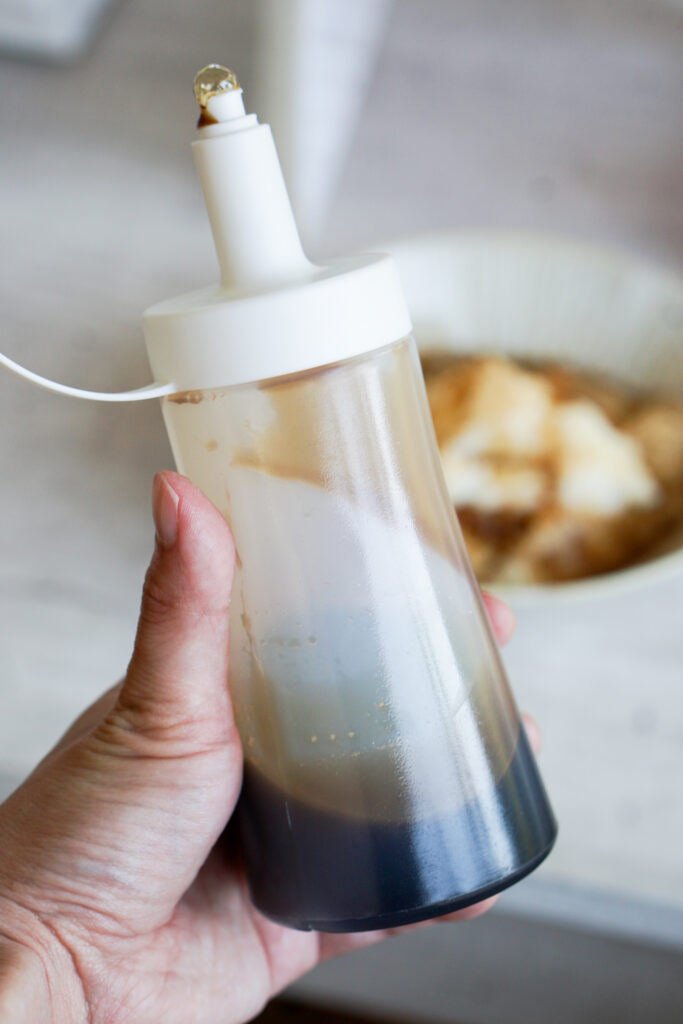
You can buy both the cubed candy kind that you are meant to eat by itself as a sweet bite with your afternoon tea and the powder/granule kind that you would use for baking. For this kuromitsu recipe obviously you would want the powder kind.
If for whatever reason you cannot purchase these Asian sugar ingredients, most places in America stock muscovado sugar, which you can use as a substitute.
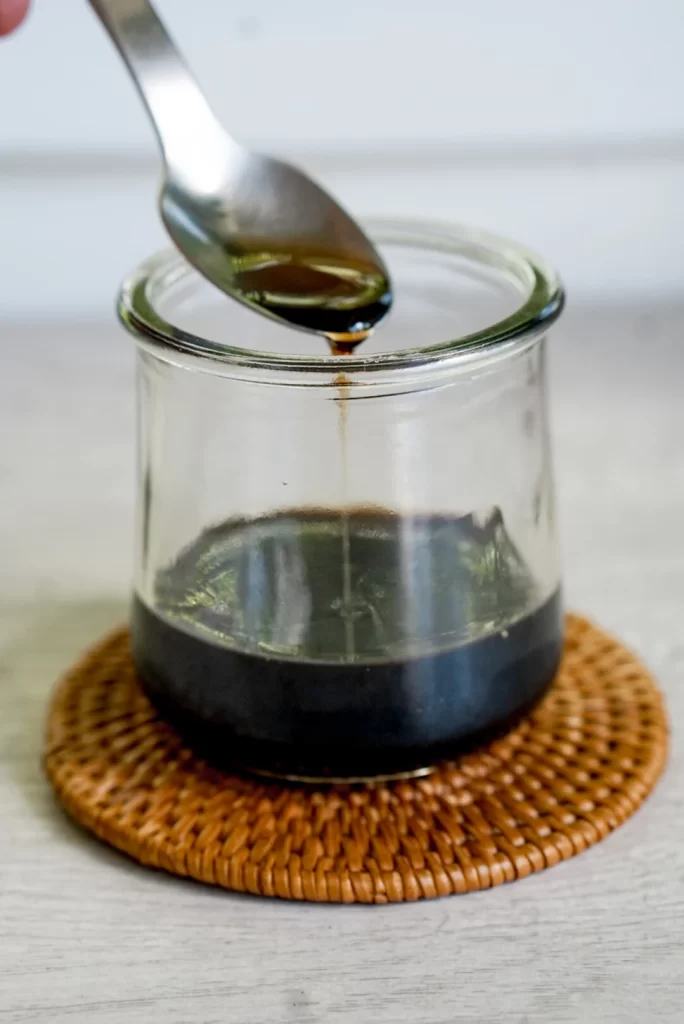
How to Make Kuromitsu
Making kuromitsu is super easy. Just take your sugars of choice, mix with water, and bring to a simmer. THAT’S IT. I use a 2:1 ratio of sugar to water. Or more specifically a 1:1:1 ratio of black sugar, raw sugar, and water. A few minutes on the stovetop, and it’s ready for your desserts!
If you make kuromitsu and find your own favorite ratio and blends of sugars, be sure to let me know!
What Can I Use Black Sugar Syrup For?
Use kuromitsu to top or mix into:
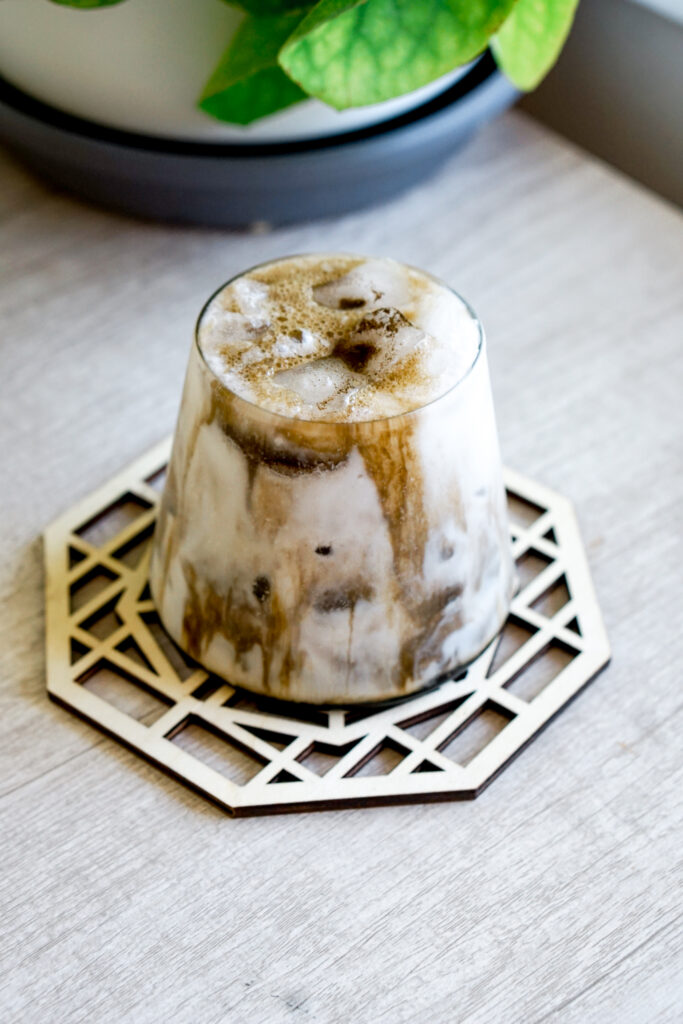
As you can see, I have plenty of recipes that can use black or brown sugar syrup. Shave ice recipe coming soon too! So make a big batch and save in your fridge for flavor-packed desserts.
Kuromitsu (Japanese Black Sugar Syrup)
Ingredients
- 1/4 cup black sugar, about 50g
- 1/4 cup coarse sugar (demerara or turbinado), about 50g
- 1/4 cup water, about 50g
Instructions
- Mix all ingredients together in a saucepan and bring to a simmer over stovetop.
- Turn off the heat and let cool (the syrup will thicken slightly as it cools).
- Drizzle over your favorite desserts and store leftovers in an airtight container in the fridge.

Pingback: Iced Brown Sugar Hojicha Latte Recipe - Mochi Mommy
Pingback: Easy Warabimochi Recipe with Substitution Options - Mochi Mommy
I”m sorry. Kuro Mitsu making from Kokomo does not taste like Brown Sugar that is used in Boba Shops.
Whenever I am trying to learn how to make a Japanese dish I always seem to end up in your page. I love your recipes. Fortunately I live in California where we are so diverse we are lucky to have great Asian grocery stores so finding proper ingredients is easy.
Thank you, Debbie! Glad you’ve been enjoying the recipes!