The Ultimate Guide to Snacks to Bring Home from Japan, According to a Japanese American

So you’re going to Japan on vacation and want to know what snacks and foods to bring home as gifts or souvenirs? I’ve got you! Check out this ultimate guide – I cover popular Japanese snacks for first timers, traditional Japanese foods, and unique, hard-to-find foods that actual Japanese people bring back to America (or elsewhere).
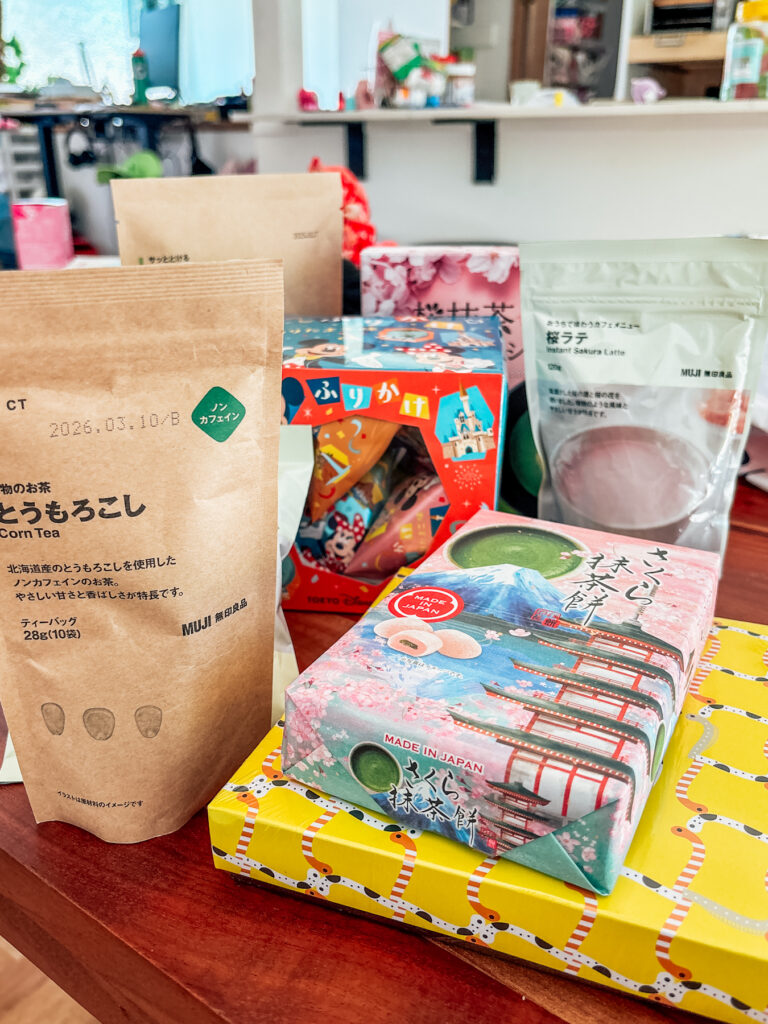
As a Japanese American, I am in the unique position that I both regularly eat Japanese food and yet am still obsessed with buying more to bring home when I go to Japan on vacation. If you’re not already familiar with Japanese food, the world of Japanese snacks is honestly overwhelming. There are so many choices! To break it down, I’m going to divide this post into sections (click the link to jump to those sections):
Table of Contents
- Popular Japanese Snacks for First Time Visitors
- Traditional Japanese Snacks To Try or Bring Home
- Unique Japanese Foods that Japanese People Really Bring Back from Vacation
- Where to Buy
Popular Japanese Snacks for First Time Visitors
If you’re absolutely brand new to Japanese snacks, you have to try these at least once. These are fairly popular and well known, to the point that I can get most of these at my local Japanese grocery store in the US. If you’re a frequent Japan traveler or have access to a lot of these foods where you live, you probably will want to skip buying these. Many of these are also available online, especially with the popularity of snack subscription box companies. That said, with a favorable exchange rate, it can be very worth stocking up in Japan rather than paying for the imports in your home country.
Kit Kats
I think everyone knows about Japanese Kit Kats by now, right? In case you don’t, Japan is famous for having Kit Kats in every flavor imaginable. I’ve had them in matcha, chestnut, even “adult” flavor? What does that even mean? You can usually find some fun flavors imported at Japanese grocery stores.
Cookies (Panda, Koala, Characters, Pocky)
Some of the most common casual Japanese cookies for kids (and adults too) are the Hello Panda, Koala’s March, and Pocky. Both Hello Panda and Koala’s March are packages of small biscuit cookies stuffed with sweet cream of various flavors (chocolate, strawberry, etc.). Funnily, Koala’s March is made by Korean brand Lotte, but is still very commonly found in Japan. Hello Panda is made by Japanese company Meiji. Pocky is also a cookie snack that you’re probably already familiar with. It’s a thin biscuit stick dipped in chocolate or another flavored sweet shell. As with Kit Kats, there are many flavors of Pocky!
Besides these famous cookies, you can also find various biscuit snacks with popular Japanese characters imprinted on them. For example, Doraemon, Pokemon, Anpanman, and other popular kids Anime characters may appear on packaged sweet treats. These make great gifts for children – I know my own kids go bananas over Pretty Cure themed snacks.
I would consider these kinds of cookies casual, as they’re commonly bought for children and not necessarily gifted to adults. Think of them like Chips Ahoy or Oreos.
On the other hand, some cookies are also special regional foods, such as the shiroi koibito from Hokkaido. They’re so famous and well loved, you can find them sold specifically for gifting as souvenirs at major cities and airports in Japan, not just in Hokkaido.
Langue de Chat Cookies
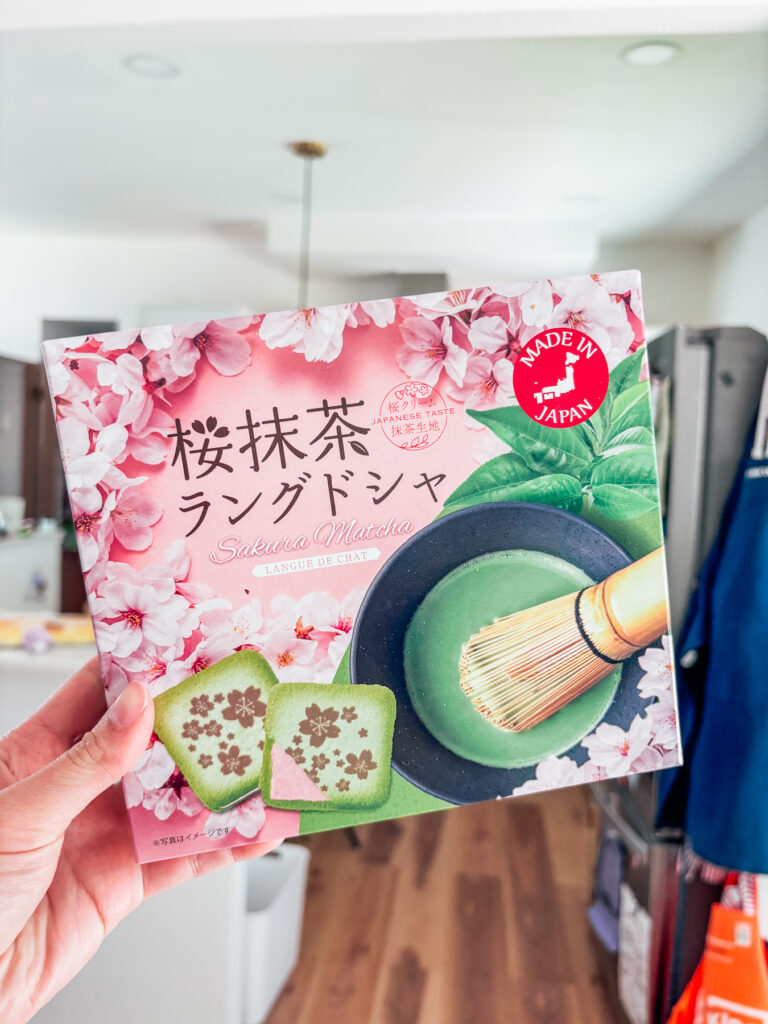
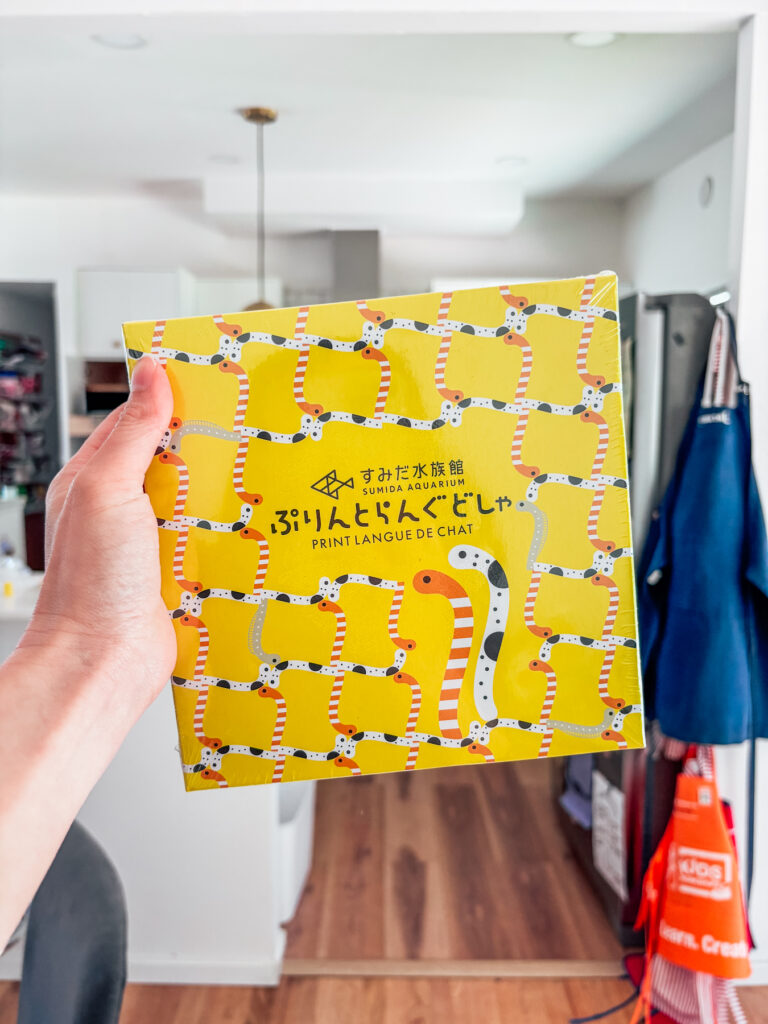
Japanese locals also like gifting cookies as souvenirs (called omiyage in Japanese) to each other. A super popular cookie souvenir is the langue de chat cookie, which is a very thin sandwich cookie. Shiroi koibito is a type of langue de chat. I recently came back from Japan and you can find langue de chat EVERYWHERE. The aquarium had langue de chat cookies stamped with sea animals. Disney had Mickey Mouse themed ones. I brought back sakura flavored ones and pistachio flavored ones as well. They’re delicious and a little bit fancy, so they make great gifts.
Tokyo Banana
Tokyo Banana is a cream filled sponge cake in the shape (and color) of a banana. You can buy them in boxes and they come individually wrapped in plastic. They’re very popular souvenirs! To be honest, they’re… not my favorite. You’ve got to be a fan of artificial banana flavor and soft and squishy textures to enjoy this one. Still, it’s very unique looking and a fun food to gift.
Chocolate
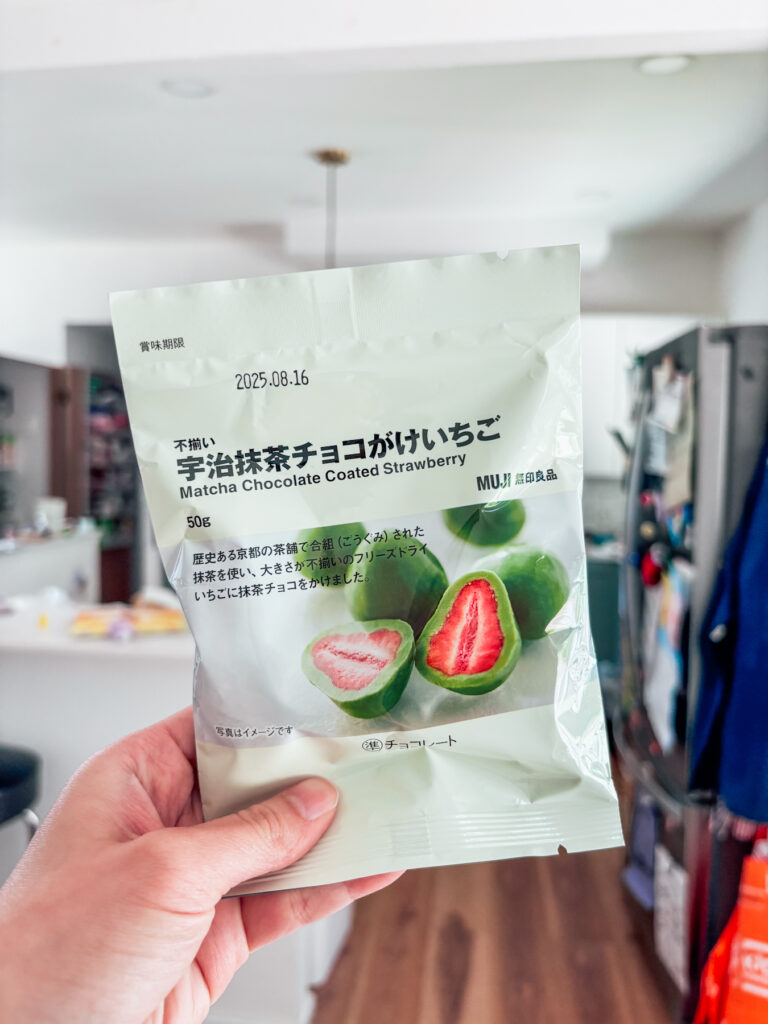
To be super honest, I like Japanese chocolate but not as much as European chocolate. In my chocolate rankings I have European chocolate>Japanese chocolate>American chocolate (e.g. Hershey’s and Nestle), but that’s because I’m a very big creamy chocolate fan. A very popular Japanese chocolate brand is Meiji, with many different products. I find Meiji chocolate to be less creamy than, say, Cadbury, but still overall better in flavor and not as sickly sweet as Nestle. I especially like Meiji’s MeltyBlend line, which is a casual, shelf stable version of nama choco.
Japan also has their own versions of multicolored chocolate drops, similar to M&Ms. Some even come in fortune teller packaging, where you pop out a chocolate similar to a daily pill and the packaging reveals your daily fortune. They can be fun and cute but they’re not mindblowingly tasty any more than any other chocolate.
Chewy Candy
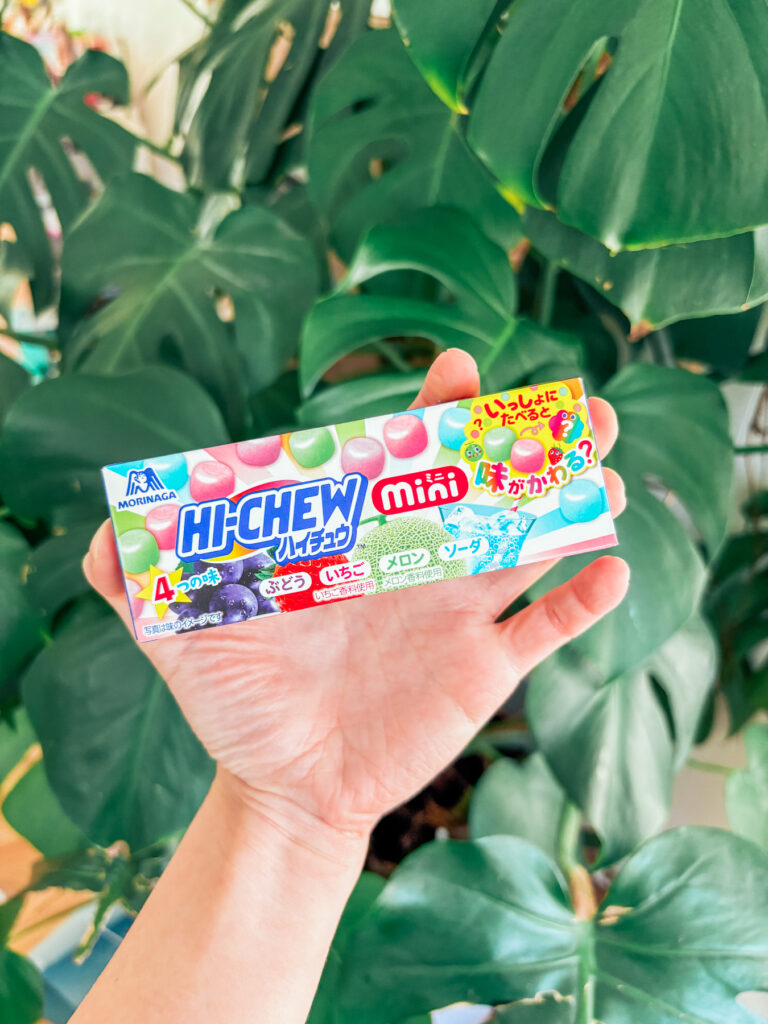
In the world of chewy candies, Japan is very good at milk flavored sweets and fruity gummies. For milk candies, the brand Milky with the iconic Peko-chan logo of a little girl licking her lips is the most famous and nostalgic. I’d equate this to the Japanese version of Chinese white rabbit candies.
As for fruit gummies, there are tons of brands and varieties. You can’t go wrong. All of them taste great. Meiji brand even has a chewiness scale on the packaging so you can decide exactly how hard you want your gummy candy to be.
Soda and Drink Flavored Candies
Perhaps one of the most unique aspects of Japanese candies is how many soda flavored candies they have. They come as chewy gummies, sour strips, hard candies, and probably a dozen other iterations. You can find flavors such as cola, but also the classic Japanese ramune soda or the sweet Calpis/Calpico drink flavor as well. If you’re not used to soda flavored candies, they can be an acquired taste, but I find them so interesting.
Chips and Crisps
While I do think America takes the cake on potato chips, you can find some fun crunchy snacks in Japan. If you’ve never had any sort of Asian chip before, you should at least try shrimp chips. If you are of Asian descent, you’ve probably already eaten pounds of these as a kid and can skip this. In terms of potato chips, you may find some fun savory flavors like butter soy sauce or seaweed, which is my personal favorite.
My favorite crunchy Japanese snack, though, are Jagabee. They’re like french fries, but in a shelf stable, ultra processed, snack form. They taste like extra crispy french fries too and come in a variety of flavors. I can find these at my local Japanese grocery stores, but they’re much cheaper in Japan. So addicting.
In a slight deviation from chips and crisps, I have to make a special mention of another cirspy snack: rusk. Rusk is a Japanese snack that’s basically a deep fried buttery toast covered in sugar. I don’t really see this snack even in Japanese stores in America, and it’s not highly advertised as a popular Japanese snack, but these are very popular among Japanese locals. I even saw Mickey Mouse shaped rusk at Tokyo Disney! They’re also typically individually packaged in plastic and sold in boxes on shelves, so they last quite a while and are good for travel, although they are somewhat crumbly and can break if handled too roughly.
Noodles
Instant ramen is now so popular worldwide thatI can find pretty much any flavor at Asian grocery stores in America. If that’s not the case in your home country, it’s worth buying a few to try! Or for a fun outing, see if you can make it out to the cup noodle museum in Osaka or Yokohama and make your own to bring home. HOWEVER, please note that some instant noodles that contain meat may not be able to pass customs on your way home. On top of instant noodles, you can also find crispy noodle snacks that you’re meant to eat sort of like chips, but they look like crunchy salad toppings. You can also bring back dry noodles like soba or udon (the onihimogawa wide flat udon comes as a dry pasta) to cook at home.
Traditional Japanese Snacks to Try (and Bring Home)
In addition to fun ultra processed snacks you can find in grocery store aisles, you can often find traditional Japanese snacks that are packaged to gift as souvenirs, both in grocery stores and at specialty stores in various cities. While the plastic packaged versions of these traditional foods are often not as tasty as the fresh ones from food vendor stalls or cafes, they’re still a unique food to bring back with you.
Mochi
Obviously, the most famous traditional food in Japan in mochi. At grocery stores, you can find shelf stable plain mochi, called kirimochi. While these are not sweet mochi confections and require cooking before you eat them, they’re very easy to throw in your suitcase. However, if you have a Japanese grocery store in your home country, you probably already have access to these.
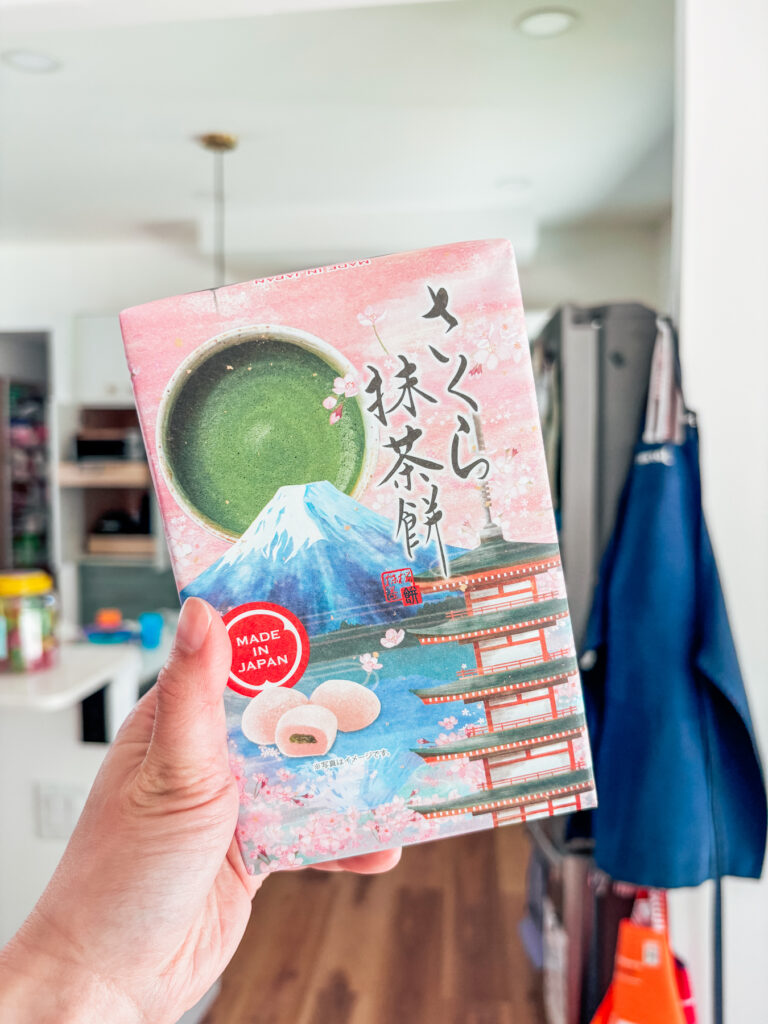
If you’re looking for sweet mochi confections, such as mochi wagashi, you can find these at grocery stores too. Stuffed with sweet fillings like red bean paste or other fruits, you may also be able to find these packaged for travel at souvenir and snack shops, especially when shopping at airports. However, you will need to check that any fruity fillings can be taken through customs when you land. I will say that after trying many shelf stable, packaged mochi treats that are meant as souvenirs, they simply don’t taste as good as the fresh kind from shops, so if you’re short on luggage space, you may want to skip these.
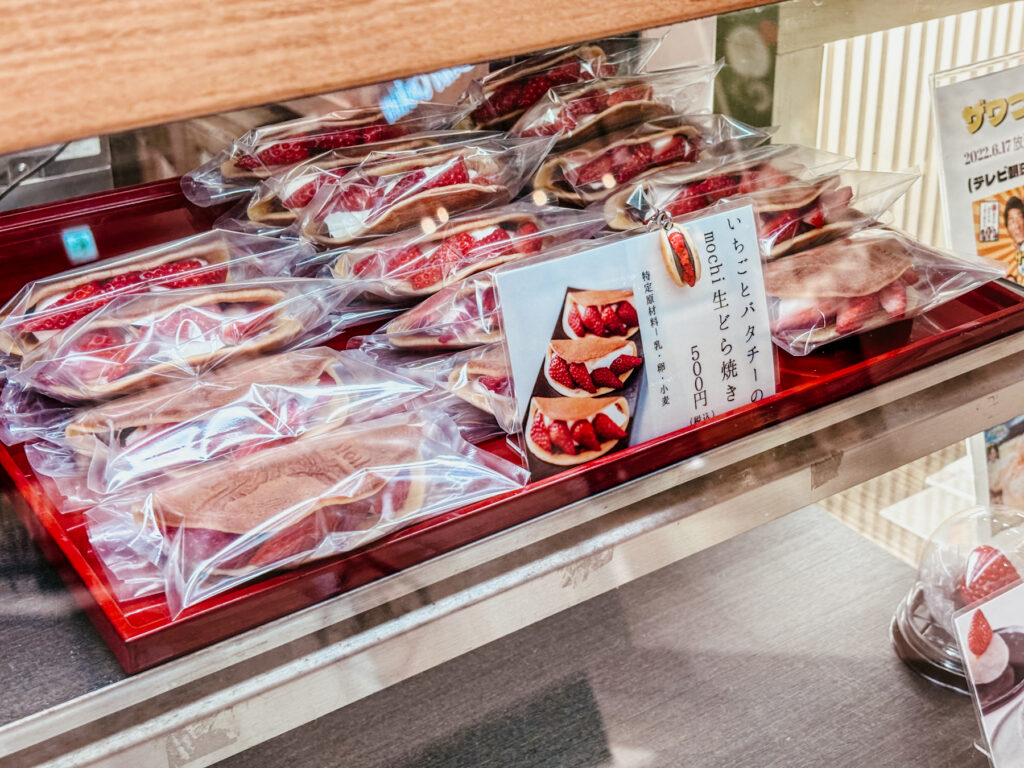
Dorayaki
This is a type of Japanese confection that is essentially two small pancakes with red bean paste sandwiched in the middle. You can find these packaged at grocery stores, but if you can find a place that sells them fresh, that’s how they’ll taste best!
Taiyaki
Another pastry with red bean paste filling (can you sense a theme here?), this sweet pancake-like dough comes in a fish shape. Again, it tastes best freshly made, but you’ll be able to find them processed and packaged for gifting at grocery stores. Taiyaki has become a popular dessert in America where there are large Asian immigrant populations, so if you live in a similar area, you can probably skip bringing this one back with you.
Senbei or Arare (Rice Crackers)
Senbei are flat rice crackers eaten by all ages in Japan. They even have special senbei for babies with cute characters on them that dissolve easily and may or may not have added veggie flavors. For adults, senbei is often flavored with soy sauce.
Rice crackers that are smaller in size (like popcorn sized) and with various shapes (some are flower shaped, some cylindrical, etc.) are called arare. You may find them wrapped in seaweed (nori maki arare) or made spicy (kaki no tane) – the varieties of rice crackers are pretty much endless.
You can find these at Asian markets in America, but they’re probably a much better price in Japan. They make great gifts for those who don’t like sweets!
Regional and Seasonal Specialties
These are the treats that I would really focus on for gifting as souvenirs. Different cities/regions of Japan have different culinary specialties that make great gifts. For example, Kyoto is known for yatsuhashi, a mochi-like confection that’s shaped in triangles and has a cinnamon flavor. Gunma has a baked yaki manju with a miso glaze. Shizuoka is known for their green tea. I was able to find several regional specialty foods from all over Japan sold in stores in Tokyo and at the airport, even though I hadn’t been to those specific regions. That can be a nice way of trying different foods without having to train all over the country.
Tea and Matcha
Speaking of tea, various types of tea in general are great souvenirs to bring back, especially if you go to Shizuoka, Kyoto, Kagoshima, or other areas of Japan famous for their tea production. Wherever you go, take the recommendations of local shop workers and buy regional specialty tea. Of course, you can’t really go wrong with sencha, genmaicha, or hojicha in general.
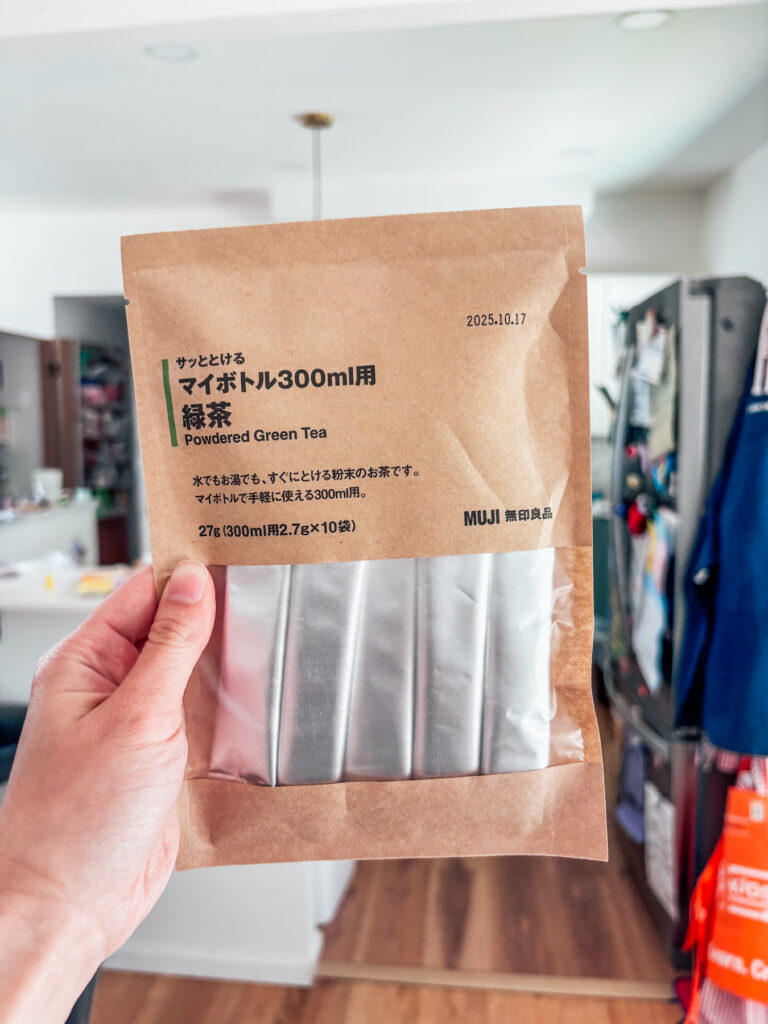
Personally, I like going to Muji (more on Muji down below) and seeing their unique tea flavors there. I always bring back some of their powdered green tea and their cold brew muscat rooibos tea! They’re not traditional Japanese flavors, but they’re really good!
Matcha is also another tea product great as a souvenir, especially with hard to find brands such as Marukyu Koyamaen. Unfortunately 2024-2025 has brought a great matcha shortage, due to overwhelming global demand. Until matcha production can keep up with the increase in demand, you may not be able to buy too much matcha to bring back, but you can definitely find at least one tin or two for yourself.
Unique Japanese Food Gifts that Japanese People Actually Buy on Vacation
AKA things that me and my Japanese American friends actually buy in Japan when we visit on vacation. If you’re lucky enough to live close to a Japanese grocery store like me, you probably will want to skip most of the aforementioned super popular candies and snacks, as they’re likely available near you (although at a higher price point). For me, I reserve my luggage space for the foods that I CANNOT get at home, like these:
Muji Food and Snacks
This is my number one recommendations for snacks to bring home! Although there are Muji stores in America and Canada, they do not carry the same foods as in Japan. And Muji foods are well loved in their home country as well, not just by tourists!
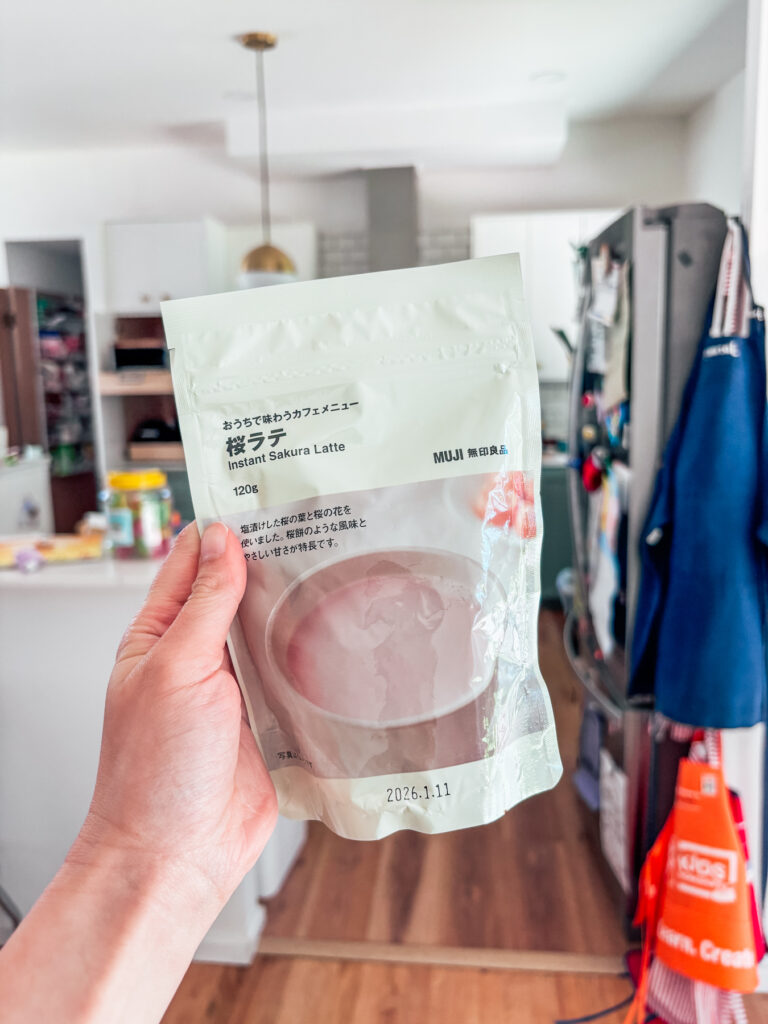
I especially recommend picking up any seasonal treats – for example, in spring, Muji has instant sakura latte powder and cherry blossom cake. Check out their curry mixes and pasta sauces if you’re able (check customs regulations for items containing meat before you bring back) and instant soups. They even sell fun mochi snacks too. One of my absolute favorites is their instant ice tea powders. They have various flavors, including plain green tea and a muscat roobois I really love. A big bonus about these tea packs at Muji is that they are VERY flat and easy to pack.
Kayanoya Dashi
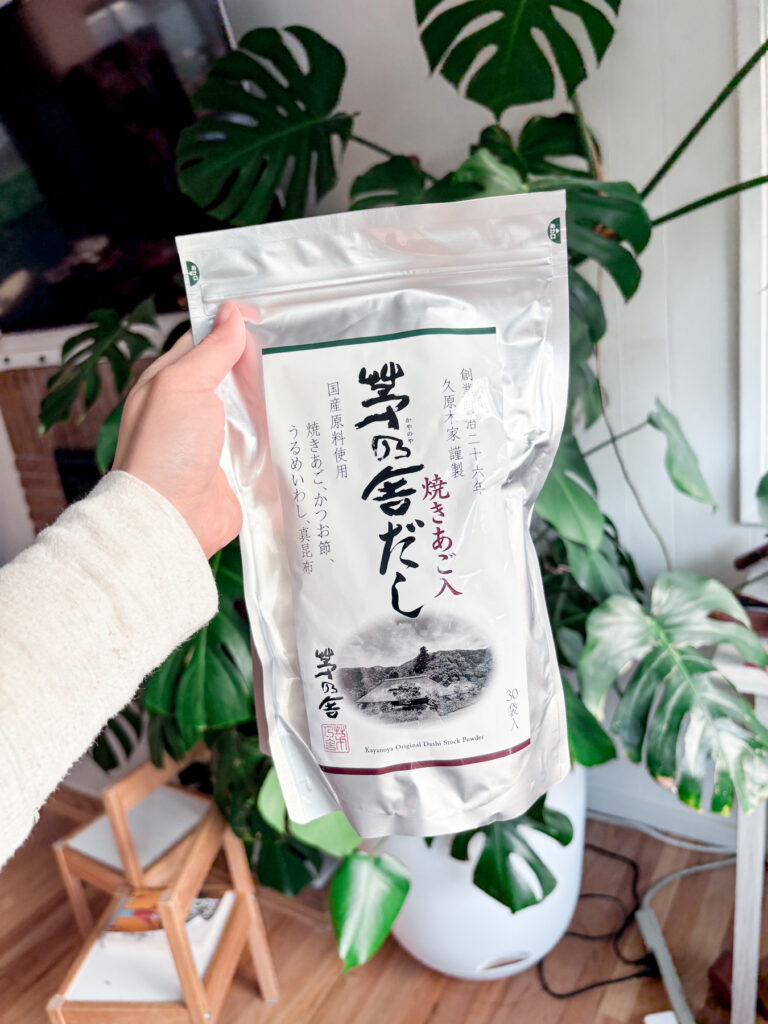
This is the BEST brand of instant dashi. Obviously, it’s not a food that you can eat right out of the package and will make a better gift for people who like to cook Japanese food at home. Or a gift for yourself! I cannot find Kayanoya brand dashi at my local Japanese market, although I heard it’s sold in Hawaii. It’s also CRAZY expensive to buy in the US. All my Japanese friends, even the ones who currently live in Japan, told me they use this instant dashi. Kayanoya has their own boutique store in Tokyo Station and also at both Tokyo airports.
Special Furikake
Another ingredient that’s great for home cooks, look for furikake to bring back! While you can certainly find furikake outside of Japan, the ones with special characters, like Anpanman or Pikachu, can be very expensive. And yet… it’s what my children want. I was able to find Mickey Mouse furikake at Tokyo Disney Sea!
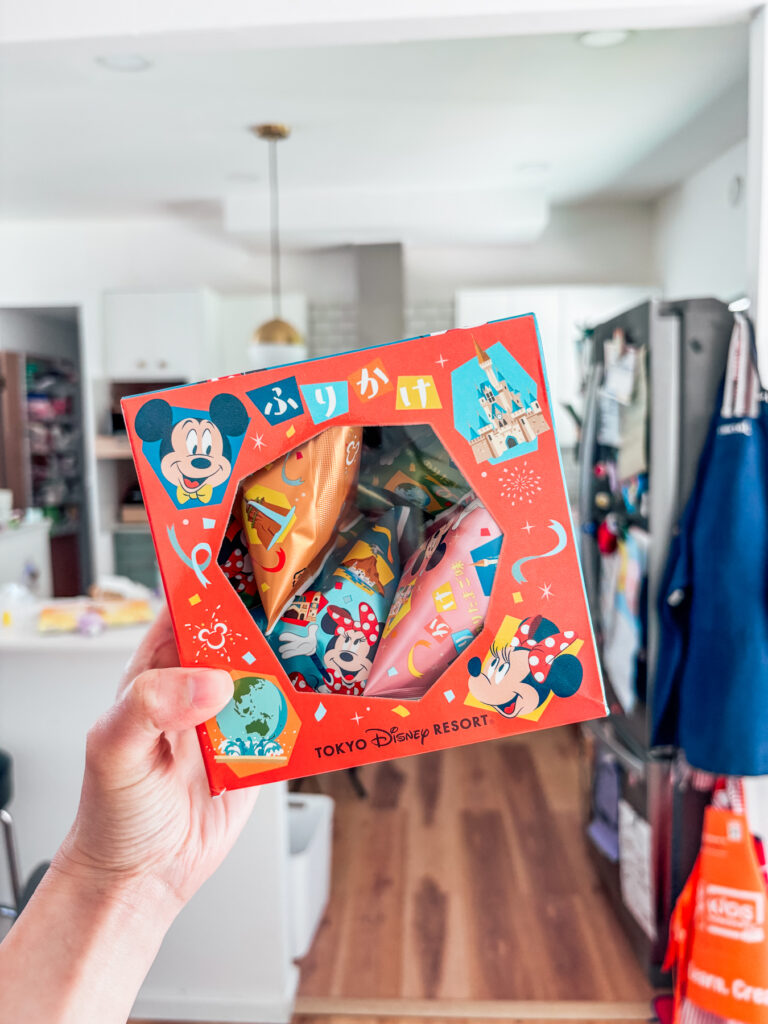
You can also look for furikake flavors that can be more difficult to find or more expensive in America. For example, I love nori tama furikake, which comes in a little zip pack and not the shakeable jar. I’ve seen tarako and even a yakiniku flavor of furikake too that I can never seem to find locally in the US. Again, double check the ingredients and customs regulations before purchasing.
LeTAO Cheesecake
Okay, I am only adding the LeTAO cheesecake here because I am still mad about my LeTAO cheesecake experience in America. If you don’t know, LeTAO is a famous Hokkaido brand of cheesecake that showcases creamy Hokkaido dairy. I was so excited to try it when a shop opened near Seattle, but it cost $41!!!! When I last was in Japan, I found it at Haneda airport retailing (with the current exchange rate) for about $17 USD! It comes with a freezer bag and says it can last 11 hours at room temperature.
Where to Buy
I’ve kind of sprinkled information on where to buy these foods throughout this article, but in general, you can typically find most of these snacks at any supermarket in Japan. I also recommend looking at the gift shops of attractions (I bought many snacks at Tokyo Disney). Compared to American gift shops, there are many more themed snacks and at very reasonable prices.
If you’re in Tokyo, Tokyo Station has an entire section called “Okashi Land” or snack land where you’re likely to find these too. Convenience stores will also sell snacks but in smaller quantities (not in bulk). Speaking of bulk, ever thought about checking out Costco in Japan? While stock varies, it’s certainly a great place to look if you’ve got a bunch of people to bring back souvenirs for.
Another place for buying food souvenirs I have to mention is Don Quijote (also nicknamed Donki). Look, if I could avoid this place, I would. It’s like a City Target on coke. Loud, lots of lights, crowded… my friend Adam said, “Why are there signs ON THE FLOOR?” But I have to say it is a very convenient place to find all the souvenirs you could want in one place – including food, skincare, makeup, and character toys (e.g. Pikachu, etc.)
Even if you don’t hit up any of these markets or shops in Japan, there are tons of places to buy food souvenirs in both Narita and Haneda airports before hopping on your flight back home.
And that’s that! I hope this general guide was helpful for you. If you are looking for more shopping posts, definitely check out my Skincare and Makeup to Buy in Japan post as well! Happy travels!